
How to Organise the Pantry For a Clutter-Free Kitchen
A tidy pantry makes cooking easier and more enjoyable. It saves time and reduces food waste.
You’ll know exactly what you have and where to find it.

Rachel's Recipe Pantry contains affiliate links and is a member of the Amazon Services LLC Associates Program. If you make a purchase using one of these Amazon links, we may receive compensation at no extra cost to you. See our Disclosure Policy for more information.
Organising your pantry can be quick and simple with a few key steps.
Start by removing everything and grouping like items together.
Check expiry dates and bin anything past its prime.
Clean the shelves and decide on a layout that works for you.
Use clear containers, labels, and shelf organisers to keep things neat.
Put everyday items at eye level like spice containers and less-used items up high or down low.
With these tips, you’ll create a pantry that’s both functional and pleasing to look at.
Assessing Your Pantry Space
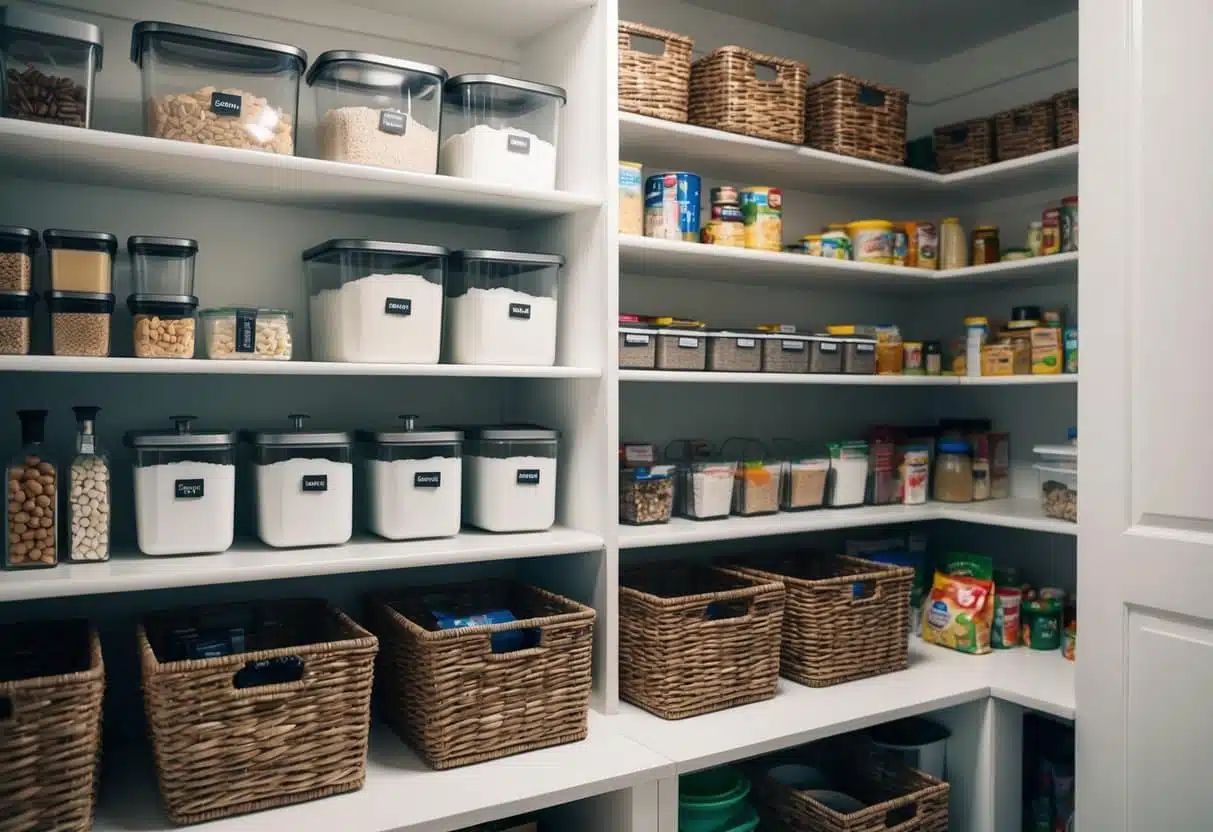
Before organising your pantry, take stock of what you’re working with. This will help you make the most of your space and choose the right storage solutions.
Evaluating Pantry Size and Layout
Start by measuring your pantry. Note the width, depth, and height of shelves and floor space.
Look for any odd angles or awkward corners that might affect storage.
Check the condition of existing shelves. Are they sturdy enough to hold heavy items? If not, you might need to replace or reinforce them.
Think about how you use the space.
Which areas are easy to reach? Which spots are hard to access? This will help you decide where to put frequently used items.
Consider the pantry door. Could you add extra storage there? Over-the-door organisers can be great for spices or small packets.
Determining Storage Needs
Make a list of all the items you want to keep in your pantry. Group similar things together, like baking supplies, tinned goods, and snacks.
Count how many of each type of item you have. This will help you choose the right size containers and decide how much shelf space you need.
Think about your shopping habits.
Do you buy in bulk? You’ll need space for larger items. Do you prefer smaller amounts? Smaller containers might work better.
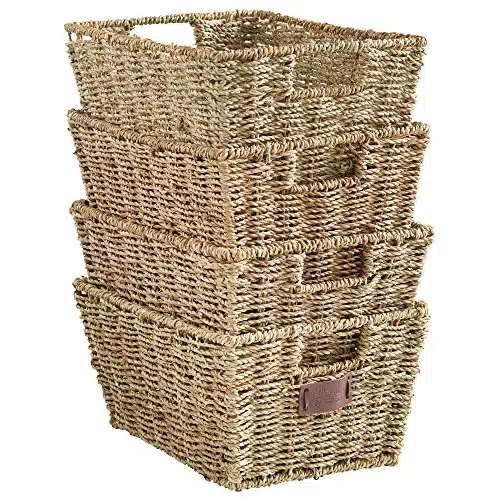
Consider special storage needs. Do you need airtight containers for flour or sugar? What about baskets for loose items like onions or potatoes?
Don’t forget about appliances. If you keep small appliances in your pantry, make sure you have space and power outlets for them.
Fundamentals of Pantry Organisation
A well-organised pantry saves time, reduces food waste, and makes cooking more enjoyable. The key is to create a system that works for you and stick to it.
Decluttering Your Pantry
Start by taking everything out of your pantry. Check expiry dates and toss any old or unused items. Wipe down shelves and containers.
This fresh start will help you see what you actually have and use.
Group similar items together. Put baking supplies in one area, canned goods in another. Use clear containers to store dry goods like flour, sugar, and pasta. Label everything clearly.
Consider donating non-perishable items you won’t use. Food banks often welcome these donations.
Grouping Items by Category
Arrange your pantry in zones based on how you use items. Keep breakfast foods together, snacks in one spot, and baking supplies in another. This makes it easy to find what you need quickly.
Put frequently used items at eye level. Store heavy items on lower shelves. Use higher shelves for things you don’t need often.
Use baskets or bins to keep small items tidy. A lazy Susan can make corner spaces more accessible.
Implementing a First-In, First-Out System
To reduce food waste, use older items before newer ones. When you buy new groceries, put them behind older stock. This way, you’ll use up food before it expires.
Keep a notepad in your pantry to jot down items as you run low. This helps with shopping and prevents overbuying.
Check your pantry regularly and rotate items. Move soon-to-expire foods to the front where you’ll see and use them first.
Selecting The Right Storage Solutions
Proper storage solutions make a big difference in organising your pantry. They keep food fresh, make items easy to find, and maximise space.
Choosing Transparent Containers
Clear containers are a top choice for pantry storage. You can see what’s inside at a glance, which saves time and prevents food waste.
Glass jars work well for dry goods like flour, sugar, and pasta. They’re airtight and keep foods fresh longer.
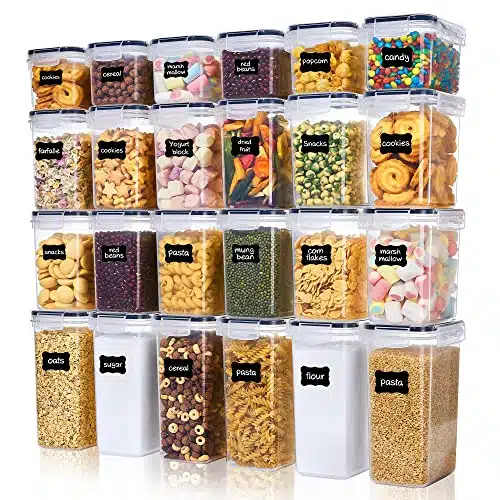
Plastic food storage containers are another good option. Look for BPA-free varieties that are dishwasher-safe. These come in many sizes to fit different items.
For smaller amounts, use clear storage jars. They’re perfect for spices, nuts, and dried fruits. Choose containers with wide mouths for easy scooping.
Maximising Space with Stackable Containers
Stackable containers help you use vertical space in your pantry. This is key for small areas.
Look for square or rectangular shapes that fit together well.
Airtight containers with flat lids stack neatly. They’re great for cereals, snacks, and baking supplies.
Some brands offer sets in various sizes that nest when not in use.
Consider getting containers with pour spouts for items like rice or oats. This makes it easy to measure out what you need without making a mess.
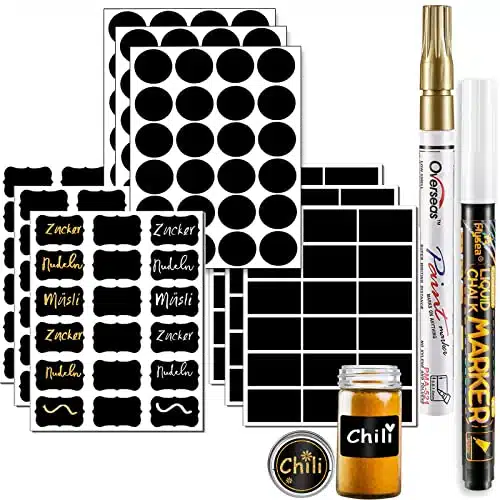
Label each container clearly. Use a label maker or write on removable labels. This keeps your pantry organised and lets you spot items quickly.
Utilising Lazy Susans for Accessibility
Lazy Susans are rotating trays that make hard-to-reach areas more accessible. They work well in corner spaces or deep shelves.
Place one in your pantry to store condiments, spices, or small jars.
You can find Lazy Susans in different sizes and materials.
Plastic ones are lightweight and easy to clean. Metal versions are more durable but may be heavier.
Use tiered Lazy Susans to make the most of vertical space. These let you store more items while keeping everything visible. Place taller items at the back and shorter ones in front for easy access.
Tools and Accessories for Organisation
The right tools can make pantry organisation a breeze. They help you make the most of your space and keep things tidy.
Utilising Labels for Identification
Labels are a must-have for a well-organised pantry. They help you spot items quickly and keep track of what you have.
Use a label maker or write by hand on sticky labels.
Put labels on containers, shelves, and baskets. This makes it easy to find what you need and put things back where they belong.
Clear labels also help family members know where to find and return items. This keeps your pantry tidy for longer.
Incorporating Shelf Risers and Pantry Organisers
Shelf risers and pantry organisers are great for maximising space.
Shelf risers create extra levels, letting you stack items without hiding what’s underneath.
Pantry organisers come in many shapes and sizes.
Use clear plastic bins to group similar items together. Wire baskets work well for fruits and veg.
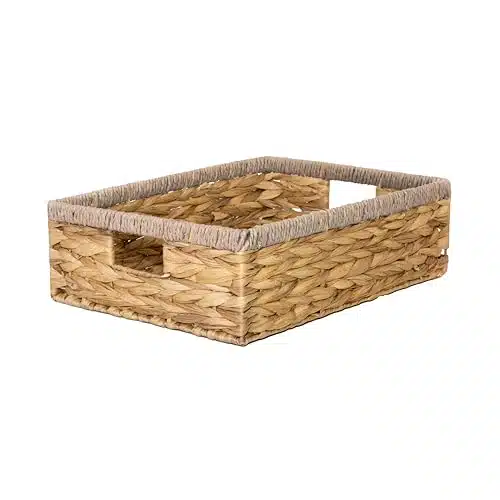
Wicker baskets add a nice touch and are perfect for storing snacks or bread.
Choose uniform containers to give your pantry a neat, cohesive look.
Choosing the Right Spice Rack
A good spice rack keeps your seasonings easy to find and use.
Wall-mounted racks save counter space and look neat. Drawer inserts work well if you have deep drawers.
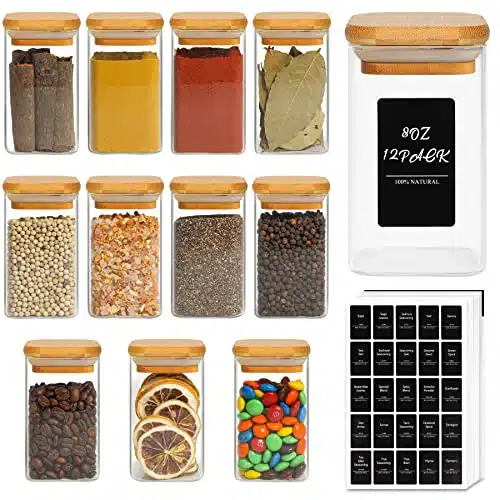
Tiered spice racks let you see all your spices at once. This saves time when cooking. Look for racks with labels or write your own.
Consider how many spices you have and where you’ll put the rack. Make sure it fits your space and needs.
Maintaining an Organised Pantry
Keeping your pantry tidy takes ongoing effort. A well-maintained pantry saves time, reduces waste, and makes cooking more enjoyable.
Let’s explore key strategies to keep your pantry in top shape.
Keeping Track of Expiration Dates
Check food labels regularly. Write purchase dates on items with a marker. Place newer items at the back and older ones in front.
Create a list of perishables with their expiry dates. Stick it on the pantry door or fridge. Update it monthly.
Use clear containers for bulk items. Label them with contents and expiry dates. This makes it easy to spot when stocks run low.
Regular Reviews and Reorganisation
Set a monthly date to review your pantry. Remove expired items and wipe shelves clean.
Group similar items together. Put baking supplies in one spot, and tinned goods in another. This makes finding things quicker.
Adjust shelf heights to fit taller items. Use stackable containers to save space. Add shelf risers or lazy Susans for hard-to-reach corners.
Strategic Meal Planning
Plan meals around pantry staples. This helps use items before they expire. It also reduces food waste.
Make a list of pantry meals. These are quick dishes you can make with items you always have on hand.
Keep a running grocery list. Note items as they run low. This prevents overbuying and ensures you have what you need.
Check your pantry before shopping. Cross-reference with your meal plan. Buy only what you’ll use in the near future.
Lifestyle Integration
A well-organised pantry can make daily life smoother and more efficient. By setting up your pantry thoughtfully, you can save time and reduce stress in your day-to-day routines.
Facilitating Quick Breakfasts and Snacks
Keep breakfast essentials within easy reach. Place cereals, oats, and granola in clear containers on eye-level shelves.
Store quick-grab snacks like nuts, dried fruits, and energy bars in small baskets or bins.
Use drawer organisers for single-serve items like porridge sachets or tea bags. This makes it easy to grab what you need in the morning rush.
Consider a dedicated ‘breakfast zone’ with everything you need in one spot. Include a small basket for fruit that doesn’t need refrigeration, like bananas or apples.
Incorporating Pantry Ideas into Daily Routines
Label containers clearly to help family members find items quickly. Use chalkboard labels for frequently changing contents.
Create a ‘lunch-packing station’ with reusable containers, snack bags, and non-perishable lunch items. This speeds up the process of preparing packed lunches.
Keep a shopping list on the pantry door. Encourage family members to jot down items as they run low.
Rotate stock regularly, moving older items to the front. This helps reduce food waste and keeps your pantry fresh.
Storing Small Appliances Effectively
Dedicate a shelf or corner to small appliances you use often, like a toaster or blender. Ensure there’s a nearby power socket for easy use.
Use pull-out shelves for heavier appliances. This makes them easier to access without straining.
Store less-used appliances in boxes on higher shelves. Label the boxes clearly for easy identification.
Consider a charging station for battery-operated appliances like hand mixers or stick blenders. This keeps them ready for use and prevents cord clutter.