
Gooseberry Upside Down Cake
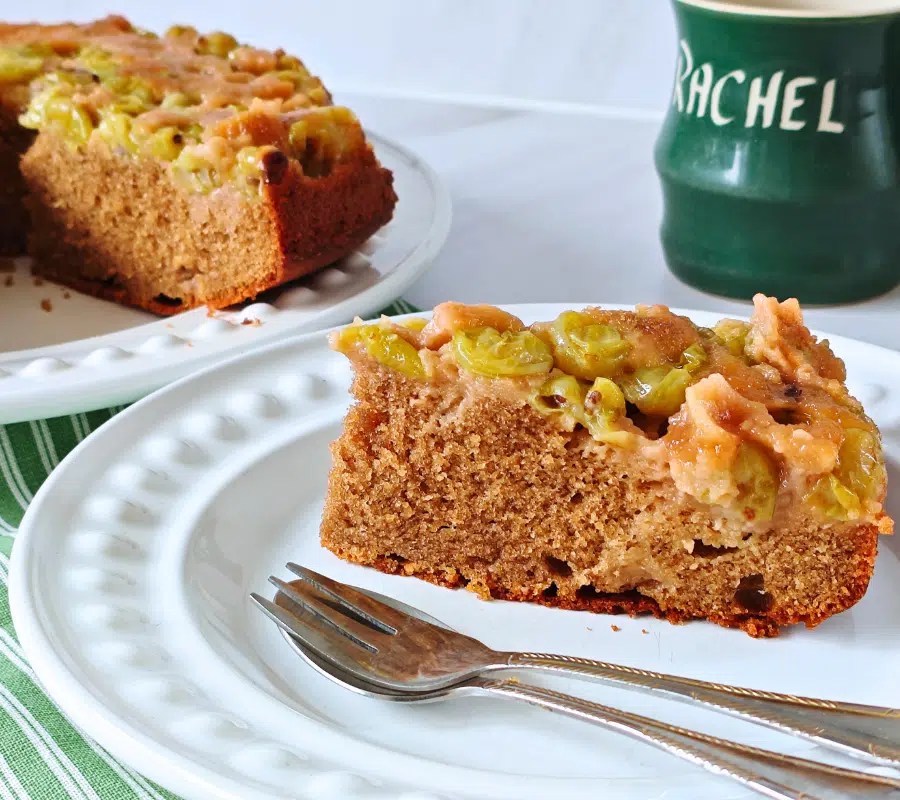
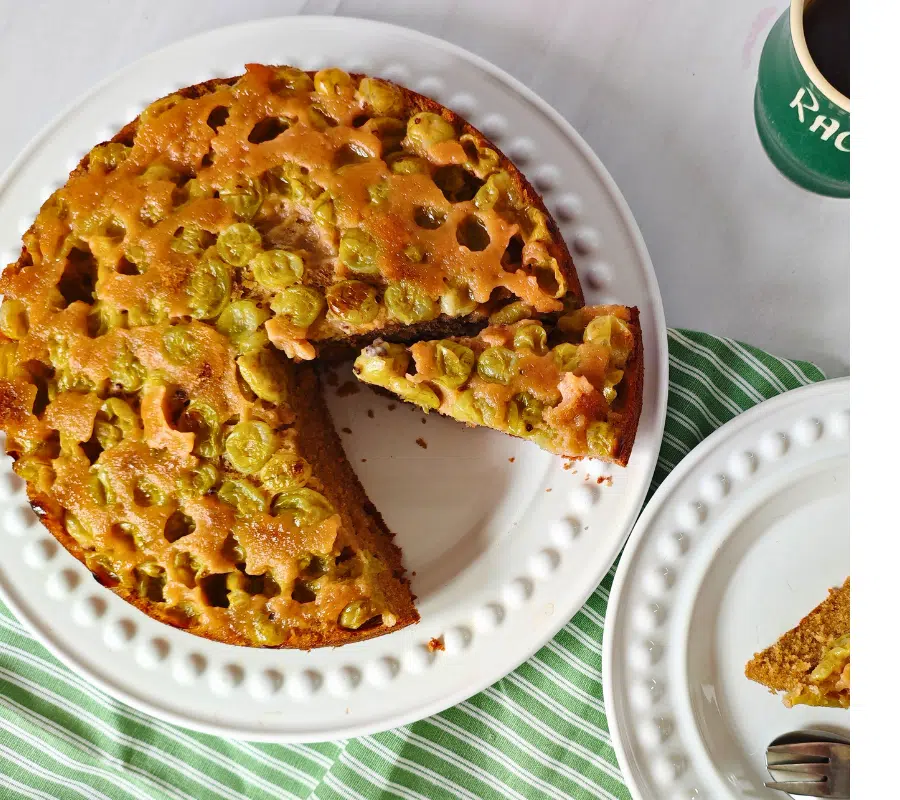
If you have ever topped and tailed a punnet of gooseberries and wondered what to do with them, this is the bake to try first. A gooseberry upside down cake takes sharp, seasonal fruit and sets it against a buttery caramel base, then covers it with a simple sponge that bakes in under an hour. When you flip it out of the tin, you get a glossy, sticky fruit topping over a light, tender crumb.
Rachel's Recipe Pantry contains affiliate links and is a member of the Amazon Services LLC Associates Program. If you make a purchase using one of these Amazon links, we may receive compensation at no extra cost to you. See our Disclosure Policy for more information.
The beauty of this upside-down cake recipe is that it works just as well with frozen gooseberries as with fresh ones, so you are not locked into a narrow summer window. It suits a weeknight dessert with custard, a weekend afternoon tea, or a bring-along treat for a gathering.
Ingredients
- 200 g Butter (or margarine)
- 200 g Light Brown Sugar (plus extra for base of tin)
- 250 g Gooseberries (Fresh or frozen)
- 4 Eggs
- 2 tsp Vanilla Extract
- 225 g Self-Raising Flour (or plain with 2 tsp baking powder)
- 2 tsp Ground Cinnamon
- 50 ml Milk
How To Make Gooseberry Upside Down Cake
STEP 1
Preheat the oven to 180℃/160℃ Fan/Gas 4/350℉. Grease and base line a 23cm round cake tin with baking paper. Sprinkle sugar all over the base of the tin. Arrange the gooseberries over the base of the tin making sure there are no gaps.
STEP 2
Beat the butter and sugar together until light and fluffy then add the eggs one at a time (beating well after each egg). Stir in the vanilla extract.
STEP 3
Fold in the flour and cinnamon powder then mix in the milk until fully combined. Pour over the gooseberries and level out with a spatula.
STEP 4
Bake in the oven for 45 – 50 minutes or until a inserted skewer comes out clean. Leave to cool in the tin for 10 minutes.
STEP 5
Place a serving plate on top of the tin then turn upside down, lifting away from the tin, then peel away the baking paper. Serve with custard, cream or creme fraiche.
Best served on the day it’s made but will keep for up to 3 days in the fridge. It’s also freezable for up to 2 months.
Choosing Fresh Or Frozen Gooseberries
Fresh gooseberries are at their best from late June through July in the UK. Look for firm berries that feel plump rather than soft. Green cooking gooseberries give a sharper, more traditional tang. Red gooseberries are sweeter and produce a prettier colour when caramelised, though the flavour is a little milder.
Frozen gooseberries work well and save you the trouble of seasonal timing. Use them straight from the freezer without thawing. They release a touch more liquid during baking, so press them firmly into the sugar layer and avoid adding extra moisture to the batter.
Balancing Tart Fruit With Sugar And Butter
Gooseberries are naturally sharp, which is exactly why they pair so well with a buttery caramel base. The sugar in the bottom of the tin does most of the sweetening for the fruit layer, so you do not need to overload the sponge with sugar.
Golden caster sugar or light brown sugar gives a richer caramel flavour than white granulated. If you find even that too tart, stir a tablespoon of honey into the melted butter before adding the sugar. This softens the sharpness without making the cake cloying.
Optional Flavours And Simple Add-Ins
A pinch of cinnamon in the sponge batter adds warmth without competing with the fruit. Scatter a handful of flaked almonds over the gooseberries before pouring in the batter; they toast during baking and add a gentle crunch.
Elderflower cordial (a tablespoon mixed into the batter) is a classic British pairing with gooseberry recipes. For berry recipes with more colour, tuck a few raspberries between the gooseberries. Keep add-ins minimal so the fruit stays the star.
Texture, Flavour, And Common Baking Problems
Even a straightforward upside-down cake can trip you up if the fruit releases too much juice or the sponge loses its lift. Most problems have quick fixes.
Why The Topping Turns Sticky Or Soggy
A little stickiness is what you want; a pool of liquid is not. The most common cause is too much juice from the fruit. If you are using very ripe or frozen gooseberries, pat them dry before arranging them in the tin.
Avoid overcrowding the base. A single layer of berries caramelises evenly. Piling them two or three deep traps steam and creates a soggy patch between the fruit and the sponge cake.
If the topping still seems wet after turning out, place the cake under a hot grill for one to two minutes. The residual sugar will caramelise quickly, so watch it closely.
How To Keep The Sponge Light
A heavy sponge usually comes from overmixing or too much liquid. Fold the flour in with a spatula rather than beating it with an electric mixer. Stop as soon as you cannot see dry streaks.
Make sure your raising agents are fresh. Baking powder that has been open for months loses potency. A simple test: drop half a teaspoon into warm water. If it fizzes, it is still active.
Using melted butter instead of creamed butter gives a slightly denser crumb, which actually suits a gooseberry upside-down cake well. The sponge needs enough body to support the fruit layer without collapsing.
What To Do If The Fruit Sticks To The Tin
The five-minute rest after baking is the most important step for a clean release. If fruit does stick, do not panic. Scoop it off the tin with a palette knife and press it back onto the cake. The sticky caramel acts like glue, so the repair is almost invisible.
For next time, grease the tin generously or use a silicone mould. A circle of baking parchment on the base is extra insurance. Avoid dark-coloured metal tins, which can cause the sugar to burn before the sponge finishes baking.
Serving Ideas And Seasonal Variations
This cake is flexible enough to fit dessert, afternoon tea, or a packed-lunch treat. It also adapts easily to other fruits when gooseberries are out of season.
Best Ways To Serve It Warm Or Cold
Served warm from the oven with a jug of custard or a scoop of vanilla ice cream, a gooseberry upside-down cake works brilliantly as a proper pudding. The caramel is at its softest and most aromatic straight after turning out.
Cold, it firms up into a denser, more portable slice that suits afternoon tea or a lunchbox. A drizzle of double cream or a dollop of crème fraîche cuts through the tartness nicely. You can also dust the top lightly with icing sugar just before serving.
Berry And Almond Twists
For a gooseberry and raspberry upside-down cake, replace a third of the gooseberries with fresh raspberries. The raspberries break down more during baking, so they fill the gaps between the firmer gooseberries and create pockets of colour.
A honey gooseberry upside-down cake swaps some or all of the granulated sugar in the fruit layer for runny honey, adding floral depth. Fold ground almonds into the sponge batter (replacing about a quarter of the flour) for an almond-scented crumb that echoes a berry upside-down cake with macaroon undertones.
Flaked almonds scattered between the fruit and the batter toast during baking and give a gentle crunch on top once flipped.
Other Fruit Versions To Try
The same method works year-round with different fruit:
- Apple upside-down cake: Peel and slice eating apples thinly, fan them over the sugar layer, and add a pinch of cinnamon.
- Pineapple upside-down cake: Use tinned pineapple rings, well drained, with a glacé cherry in each centre for the classic look.
- Raspberry upside-down cake: Swap gooseberries entirely for raspberries; reduce the sugar slightly as raspberries are sweeter.
- Plum or rhubarb: Both work beautifully with the same butter-and-sugar base, giving you autumn and spring options.
Adjust the sugar to match the sweetness of your chosen fruit, but keep the sponge recipe the same.
How To Store It And How Long It Keeps
A fruit-topped cake needs a bit more care than a plain sponge because of the moist topping. Stored well, it stays delicious for several days.
Keeping It At Room Temperature
Place the cake on a plate and cover it loosely with a clean tea towel, or transfer it to an airtight container once fully cool. At room temperature, it keeps well for up to two days but best eaten same day.
The caramel topping softens slightly over time, which is normal. Avoid leaving it uncovered, as the sponge dries out quickly. A cake dome works well if you have one.
Storing It In The Fridge
For longer storage, refrigerate the cake in a sealed container. It will keep for up to four days in the fridge. The cold firms the caramel and the sponge, so bring slices back to room temperature for about 20 minutes before eating, or warm them briefly.
If you have leftover gooseberries, cook them down with sugar to make a quick gooseberry jam. It stores separately and pairs perfectly with a plain slice of the cake as a spread or topping for desserts.
Freezing And Reheating Tips
This cake freezes well for up to three months. Wrap individual slices tightly in cling film, then place them in a freezer bag. Thaw overnight in the fridge or at room temperature for a couple of hours.
To reheat, warm slices in the microwave for 20–30 seconds, or place them on a baking tray in the oven at 150°C for 10 minutes. The caramel will loosen and become glossy again. Avoid reheating more than once, as the sponge can dry out.
Helpful Tips Before You Bake Again
A few practical decisions before you start will save time and improve results every time you make this cake.
Best Tin Sizes And Shapes
A round 23cm tin is the standard choice. Spring-form tins can leak butter during baking, so a solid-based non-stick or silicone tin is safer. If you only have a spring-form, wrap the outside base with foil to catch drips.
A deep-sided 20cm square tin also works and gives you neat, even slices. Whatever you use, avoid anything too shallow; the batter needs at least 4cm of depth to rise properly without spilling over.
When To Use Red Or Green Fruit
Green gooseberries are more widely available and deliver a sharper, more traditional flavour that cuts through the sweet caramel. They hold their shape better during baking, giving the topping a defined look.
Red gooseberries are sweeter and softer, producing a rosy, almost jammy topping. They look stunning but break down more. If appearance matters for a special occasion, red gooseberry cakes are worth seeking out. For everyday baking and bold flavour, stick with green.
How To Adapt The Recipe For Everyday Baking
You can scale the recipe up to a 24cm tin for larger gatherings; increase all ingredients by roughly a third and add five to ten minutes to the bake time. For a smaller cake, halve the recipe and use a 15cm tin, reducing the baking time by about ten minutes.
Swap gooseberries for whatever berry recipes or stone fruit you have to hand. The sponge base is a reliable template for cake recipes across the seasons. At Rachel’s Recipe Pantry, the same practical, tested approach applies: keep it simple, trust the method, and adjust to what is in your kitchen.
Frequently Asked Questions
Can I use frozen gooseberries, and do they need to be thawed first?
You can use frozen gooseberries straight from the freezer without thawing. They release a little more liquid during baking, so press them firmly into the sugar layer. The extra moisture usually cooks off, but patting them dry with kitchen paper first helps if you are concerned.
How do I stop the fruit topping from sticking to the tin when turning it out?
Grease the tin well with butter and, for extra insurance, line the base with a circle of baking parchment. Let the cake rest in the tin for exactly five minutes after baking, then run a knife around the edge before flipping. Leaving it longer allows the caramel to harden and grip the tin.
What’s the best type of tin to use for an upside-down cake, and should it be lined?
A solid-based, non-stick 23cm round tin works best. Silicone moulds are another reliable option. Spring-form tins can leak butter or fruit, so wrap the base with foil if that is all you have. Lining the base with parchment is a good habit, though a well-greased non-stick tin usually releases cleanly on its own.
How can I balance the tartness of gooseberries without making the cake too sweet?
The butter-and-sugar base in the tin does most of the work. Use golden caster or light brown sugar for a richer caramel flavour that softens the sharpness. If you still find it too tart, add a tablespoon of honey to the melted butter, but avoid piling extra sugar into the sponge itself.
How do I know when the cake is properly baked without overcooking the fruit?
Insert a skewer into the centre of the sponge. If it comes out clean, the cake is done. The top should feel firm and spring back when lightly pressed. At 180°C, most gooseberry upside-down cakes take 35–45 minutes; start checking at 30 minutes to avoid drying out the fruit.
How should I store it, and can it be made ahead or frozen?
Store the cake in an airtight container at room temperature for up to two days, or in the fridge for up to three days days. It freezes well for up to two months when wrapped tightly in cling film. Thaw overnight in the fridge, then warm slices gently in the oven or microwave before serving.
Gooseberry Upside Down Cake

Equipment
Ingredients
- 200 g Butter (or margarine)
- 200 g Light Brown Sugar (plus extra for base of tin)
- 250 g Gooseberries (Fresh or frozen)
- 4 Eggs
- 2 tsp Vanilla Extract
- 225 g Self-Raising Flour (or plain with 2 tsp baking powder)
- 2 tsp Ground Cinnamon
- 50 ml Milk
Instructions
- Preheat the oven to 180℃/160℃ Fan/Gas 4/350℉. Grease and base line a 23cm round cake tin with baking paper. Sprinkle sugar all over the base of the tin. Arrange the gooseberries over the base of the tin making sure there are no gaps.
- Beat the butter and sugar together until light and fluffy then add the eggs one at a time (beating well after each egg). Stir in the vanilla extract.
- Fold in the flour and cinnamon powder then mix in the milk until fully combined. Pour over the goosberries and level out with a spatula.
- Bake in the oven for 45 – 50 minutes or until a inserted skewer comes out clean. Leave to cool in the tin for 10 minutes.
- Place a serving plate on top of the tin then turn upside down, lifting away from the tin, then peel away the baking paper. Serve with custard, cream or creme fraiche.
- Best served on the day it's made but will keep for up to 3 days in the fridge. It's also freezable for up to 2 months.